GUEST: Aziza Harmel
Monday, 26/10/2026, 18 h
Kino Kinoteka
Kordunska 1, Zagreb
Over the course of one evening, four films drift through roads, borders, and desert skies to trace how violence settles into bodies, atmospheres, and earth. Grief here factors not only as part of the aftermath but also as a form of pressure and resistance.
Threaded through these films is the question of agency in a world structured by occupation, extraction, and impunity. In a time defined by aerial massacres, permanent “states of emergency,” and the normalization of remote violence, “Cartographies of Wound and Weather” assembles practices of resistance that treat territory not as a neutral backdrop but an active agent: a massacre site that refuses erasure; a smuggler’s route sewn into a vest; a worksite transformed into an excavation of the dead and the disappeared; or a wind that turns witness and prosecutor.
Rather than a single story, the program proposes a fragile map of ruptures and returns. History comes back as an echo, while the smallest gestures—a shout, a song, a gust of wind—strain against the infrastructures that try to contain them.
Requiem for M
Kiri Dalena, Philippines, 7 min
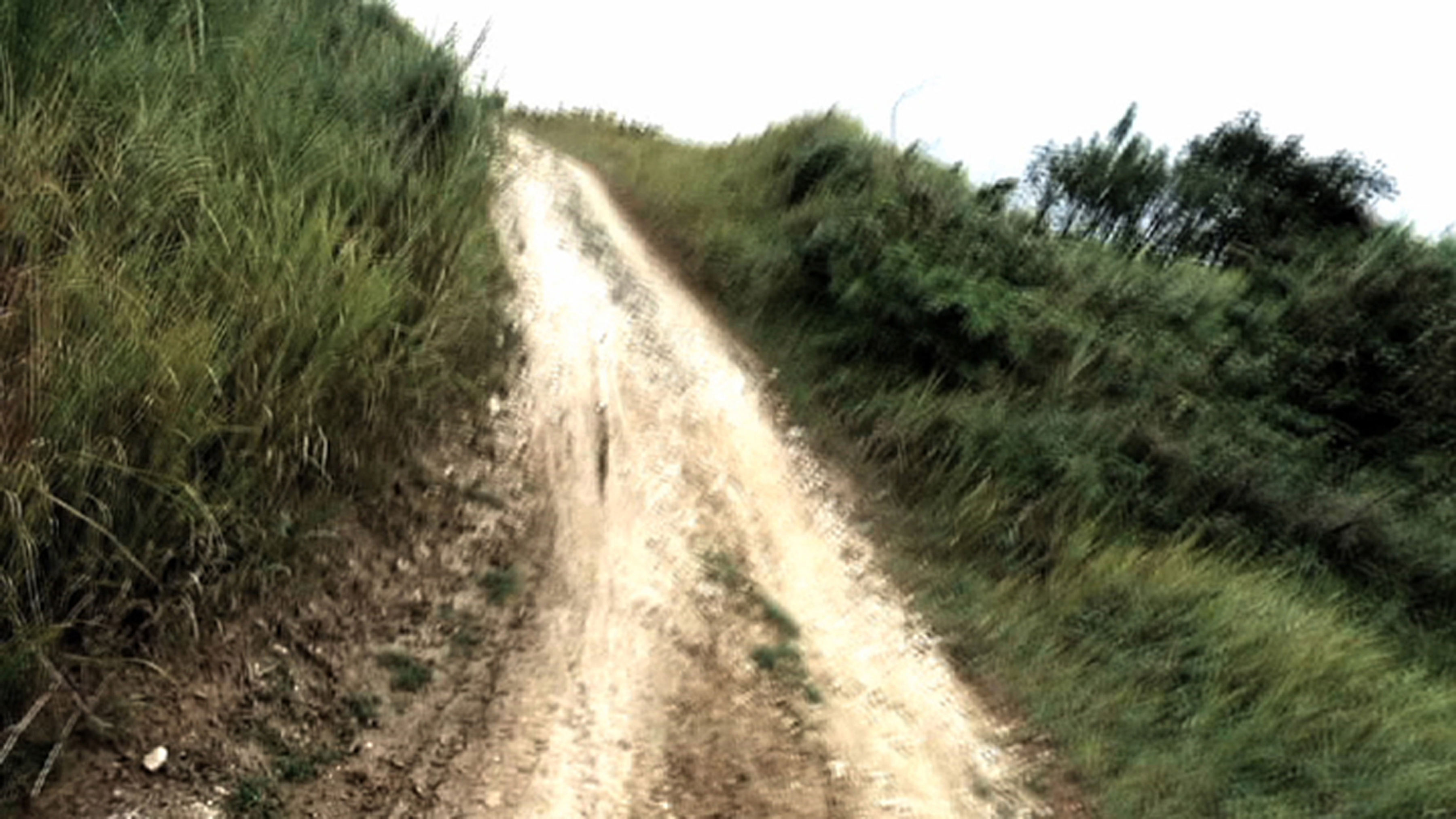
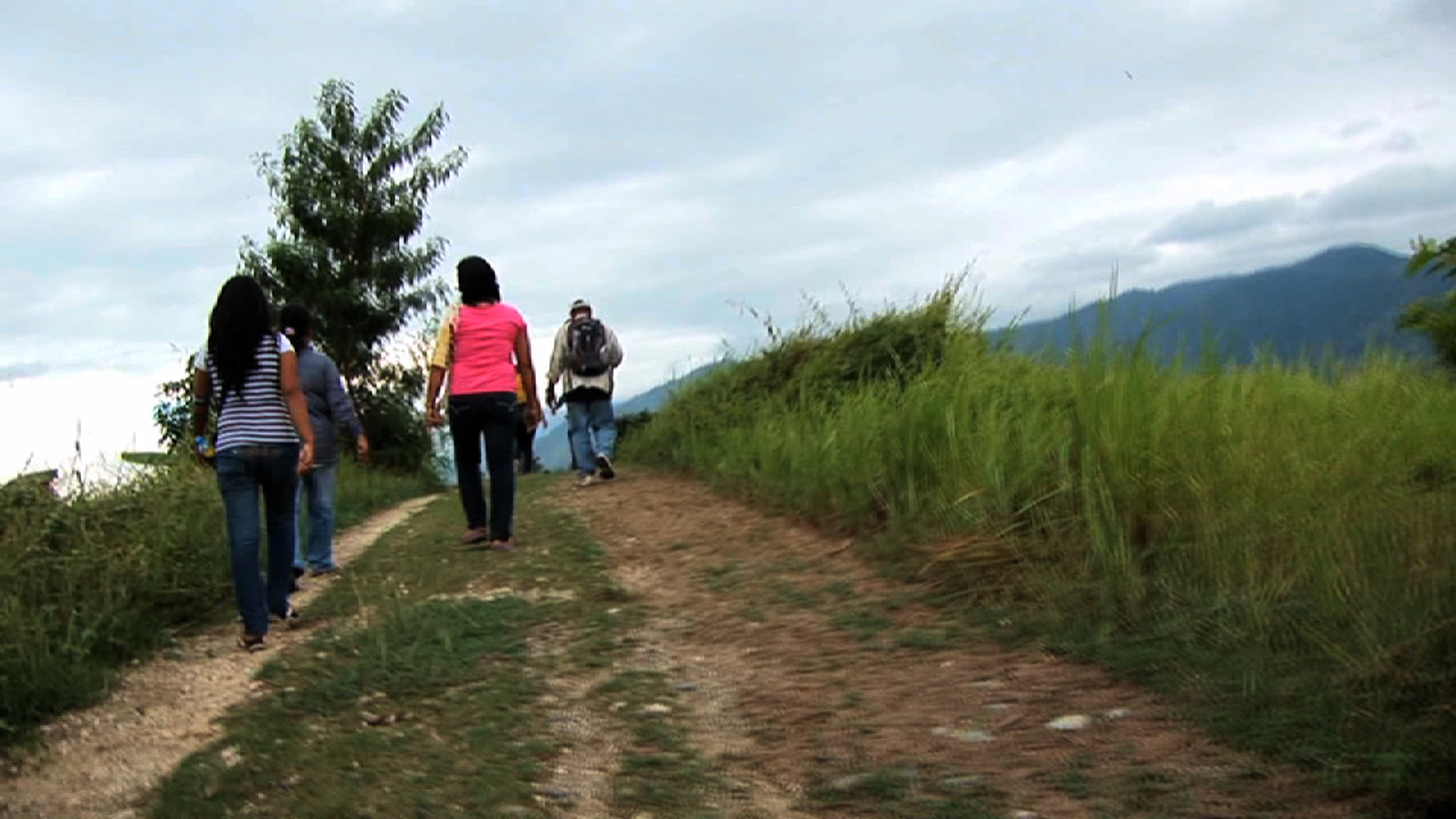
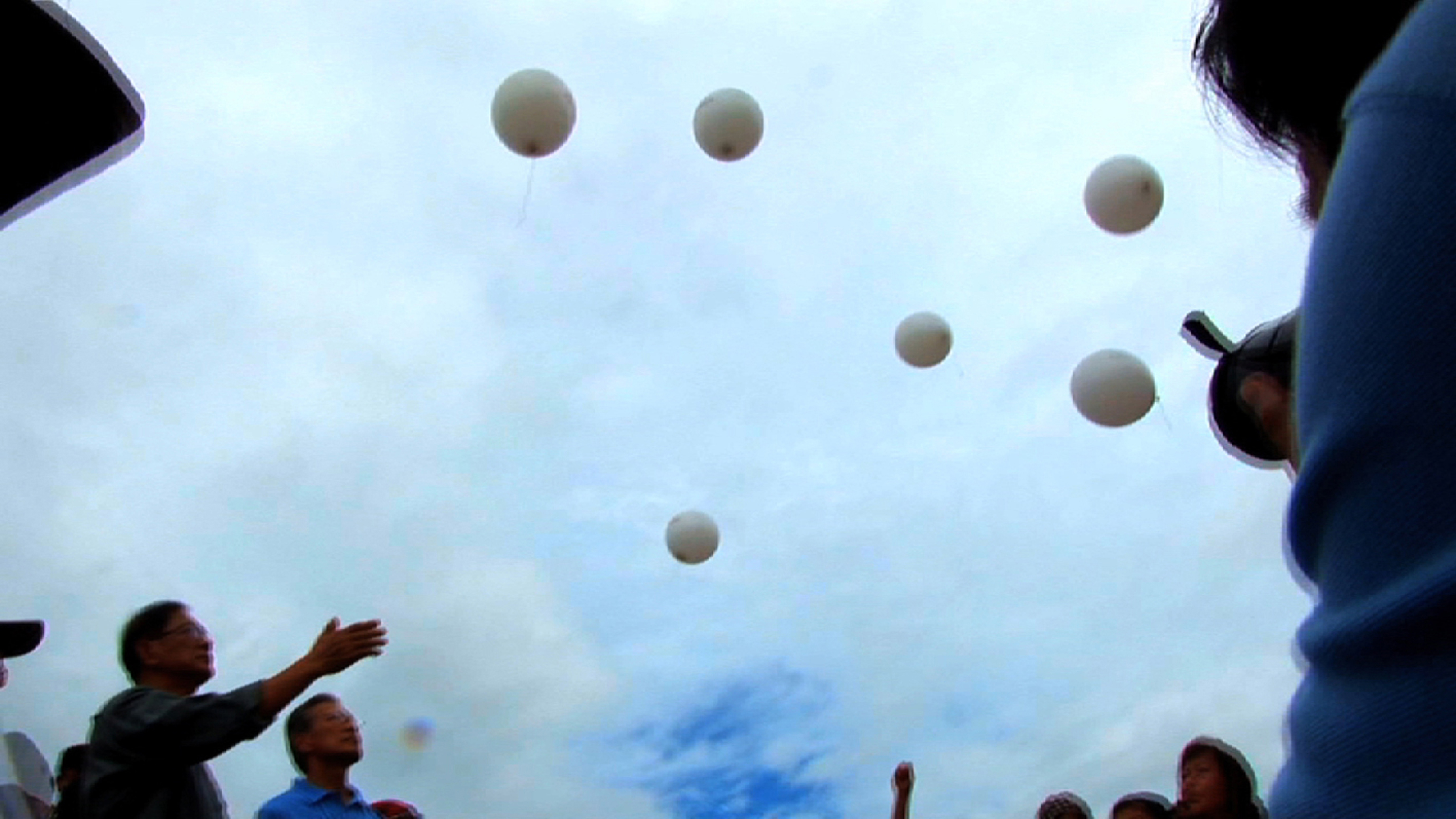
A vigil for the victims of the 2009 Maguindanao massacre, this film returns to the dirt road along which journalists and civilians were led to their deaths. Refusing the closure of reportage, Dalena works in registers of grief and fury, letting testimony, landscape, and silence constellate into an indictment of the architectures of power that render such killings both thinkable and endlessly repeatable.
The Melancholy of this Useless Afternoon II
Dina Mimi, Jordan/Palestine, 2022, 12 min
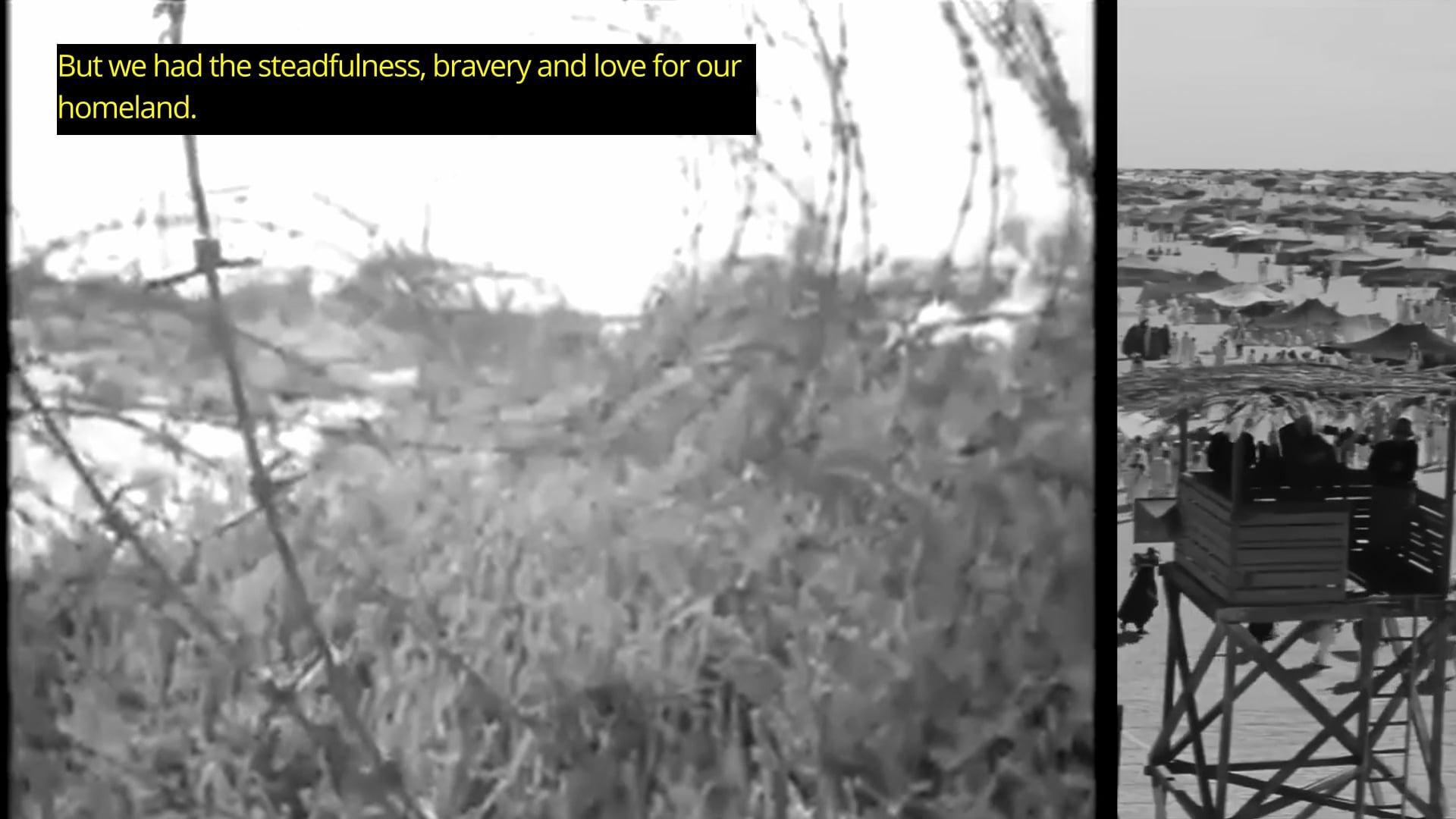
Shot in a clandestine, close-to-the-body style, this film follows the smuggling of goldfinches, their small bodies folded into handmade vests. The artist interweaves her imagery with footage from contraband seizures on the border of Jordan and the West Bank. The quiet choreography of hands, fabric, and birdsong reveals an economy in which tenderness and extraction are entangled.
The Eyes That Never See
Dina Mimi, 2022, 12 min
This short film centers on the story of Ram(z)l, a lonely working-class man who “dies twice”: once in life, and again, beneath the dust of an excavation pit in Jerusalem. As the settler state obsessively digs for ancient artifacts to support their claims of a new, more amenable origin story, The Eyes That Never See dwells on what and whom such archaeology consigns to disappearance, tracing how the creation of official history necessitates the burial of other narratives.
The Insurgence of Ghibli Winds
Tewa Barnosa, Warlab Trilogy – Chapter I, 24 min
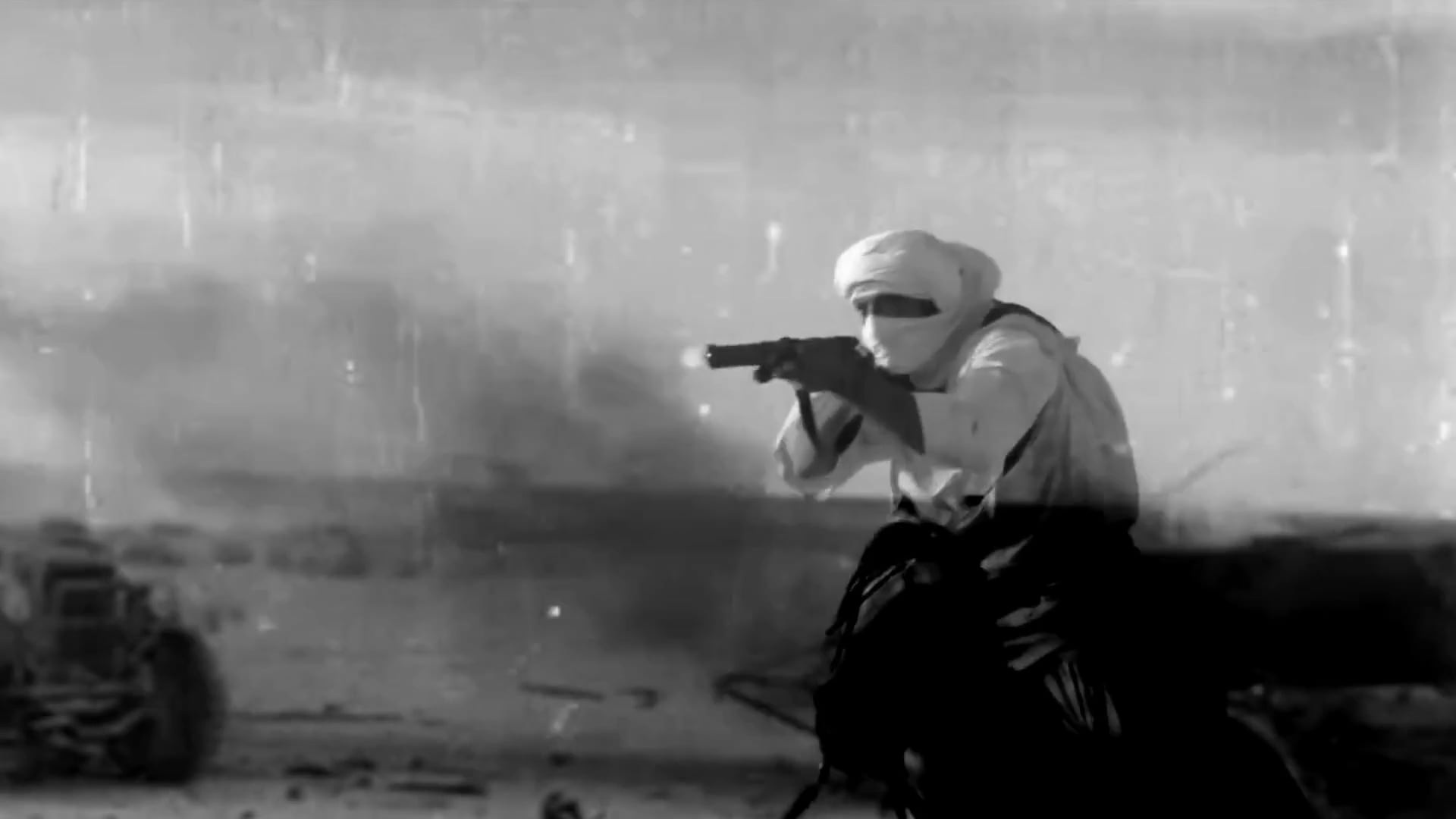
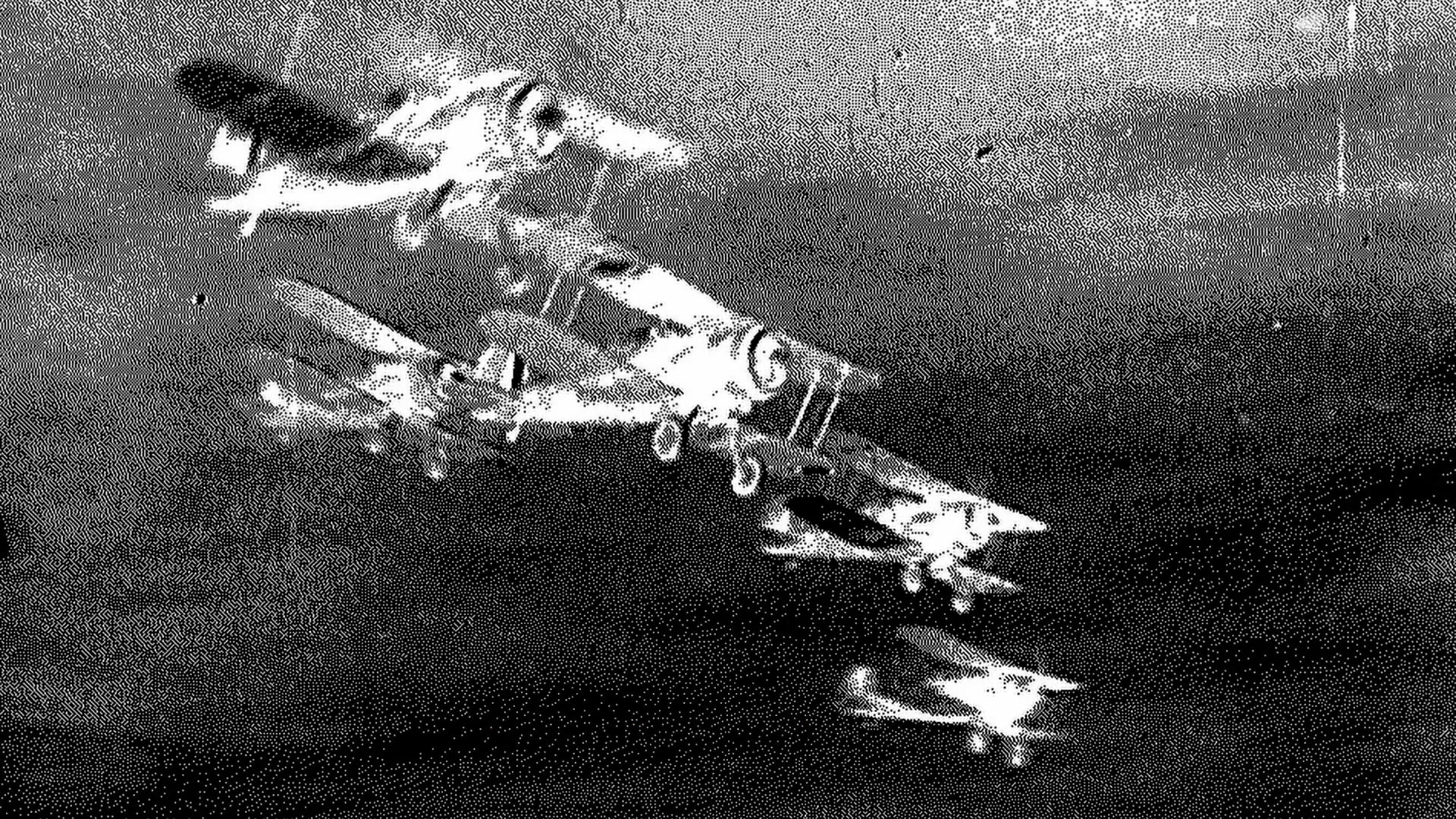
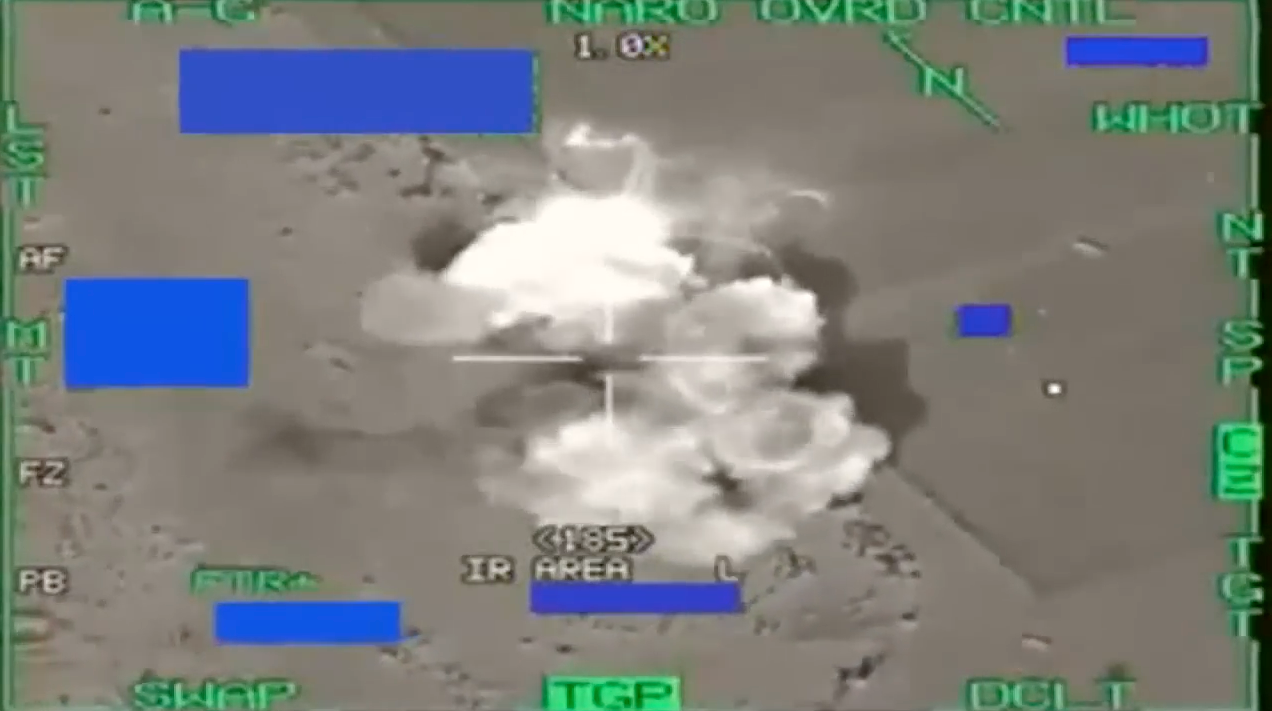
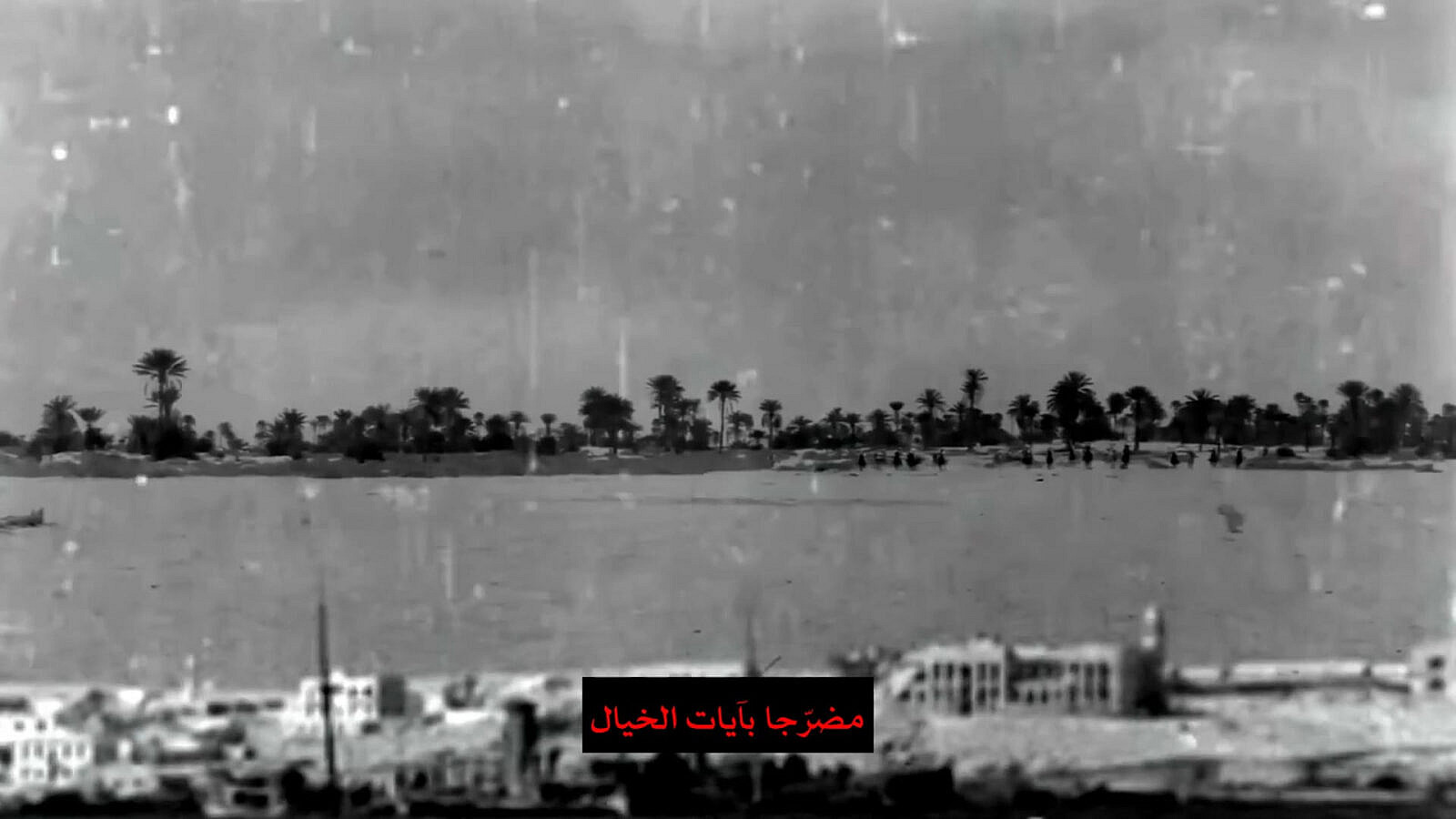
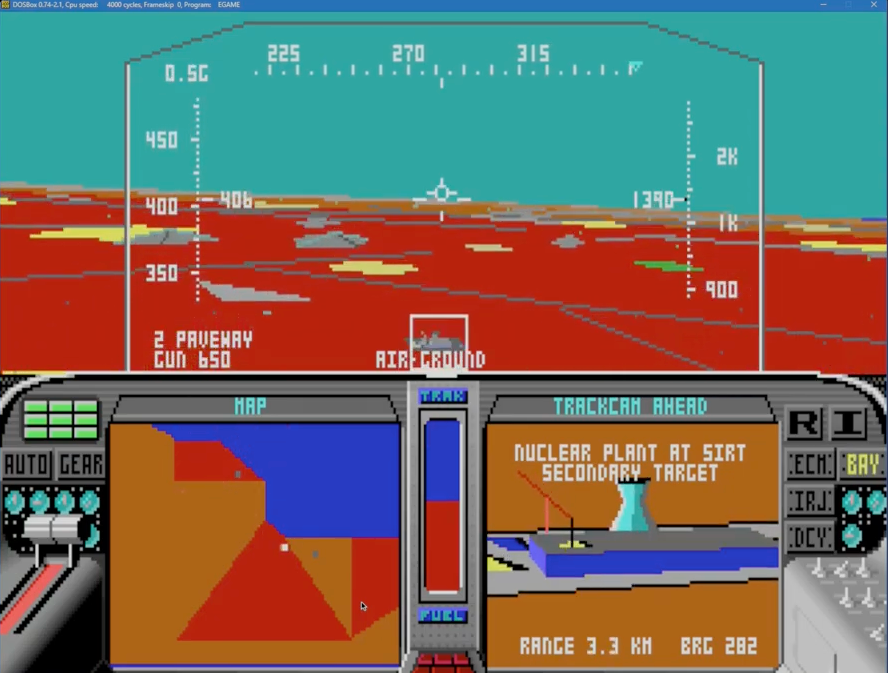
This essay film returns to 1911, when an Italian pilot flying over Libya threw four grenades in what would be, in effect, the first aerial bombing from a manned airplane. From this inaugural strike, the film moves through a century of air power, from early experiments in desert domination to Cold War–era video games styling Libya and the Sahel as playable battlefields. It traces how skies and sands were turned into laboratories for imperial warfare and its gamified afterlives, quietly echoing the long chain of massacres carried out by aerial bombardment—from colonial Libya to today’s attacks on Gaza.
***
Aziza Harmel is an independent curator and writer based in Tunis. A tutor at the Dutch Art Institute, she is currently co-curator of Hosting Lands. This alternative exhibition and research program seeks to ‘hack’ art funding in order to set up long-lasting infrastructures of care for both communities and land, as well as facilitating trans-local collaborations with a focus on environmental justice.
The screening is a part of the film and video program Remember Freedom: Images of Resistance. The program will be held in English.
Many thanks to Kino Kinoteka.
The program is supported by:
Office for Culture and Civil Society of the City of Zagreb
Kultura Nova Foundation
Croatian Audiovisual Centre (HAVC)